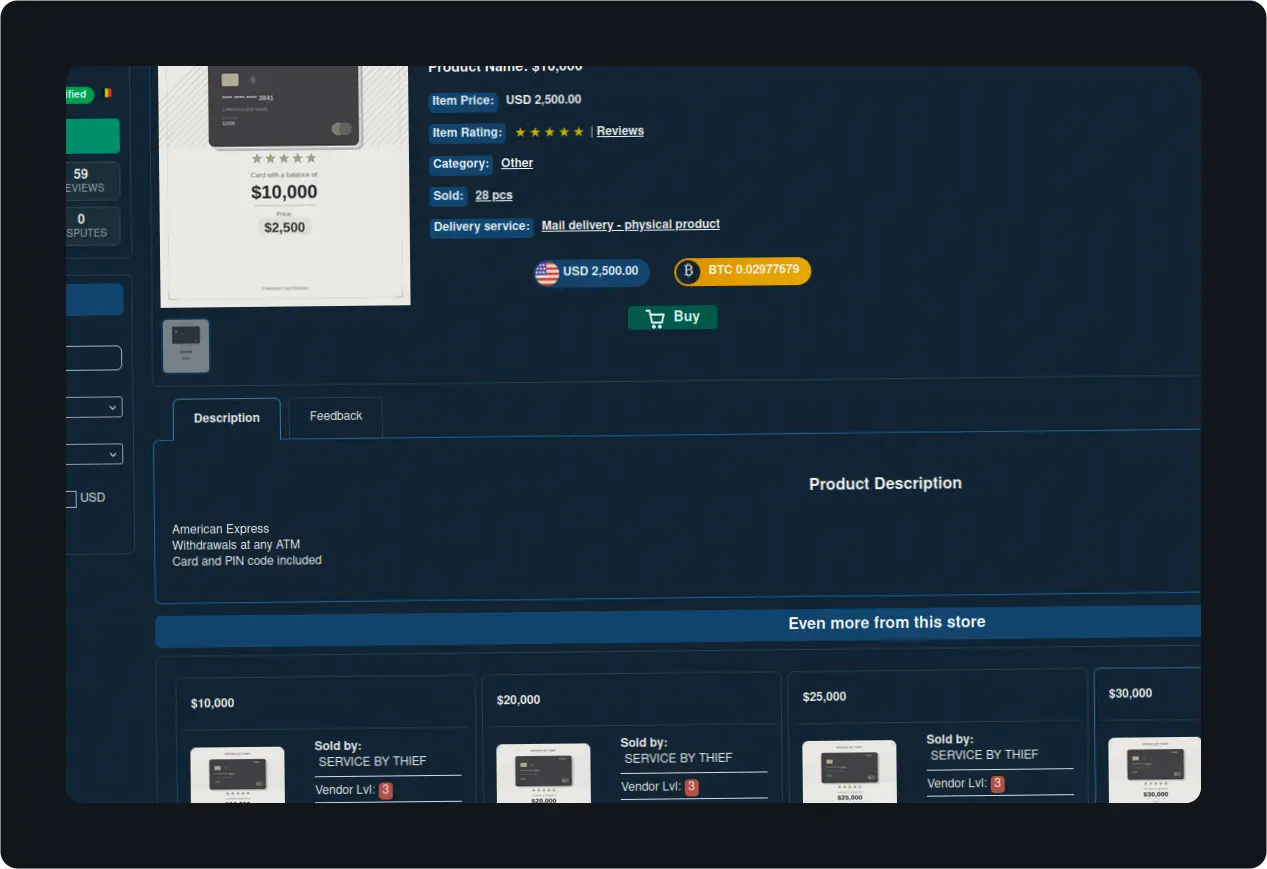
In November 2024, a Tampa Bay individual aged 34 executed a $480 cryptocurrency transaction on a darknet site for six fake debit cards, all equipped with PINs. The operation seemed to go off without a hitch until a fourth ATM captured his likeness in remarkable 1080p resolution. Just two weeks later, a combination of evidence—including details from his crypto wallet, ISP logs, and ATM records—connected him to a total theft of $4,900. This event highlights that even the best defenses against credit card skimmers cannot protect you from the modern surveillance capabilities of ATMs.
This isn’t a guide on spotting skimmers or navigating dark web forums. Instead, it examines how one significant oversight—neglecting the existence of cameras—led to the collapse of a scheme dependent on stolen data, cloned cards, and the false promise of anonymity with Monero. The lesson here? Footage and images from ATMs can become vital evidence, potentially sealing the fate of those involved in such illicit activities.
For security professionals, the case underscores the importance of integrated systems—physical and digital evidence working in tandem, even when the crime originates on the website where the purchase was made.
1. The Carding Chain: From Skimmer to Cash-Out
Carding follows a relentless cycle that every participant needs to comprehend. Step 1: Criminals gather magnetic stripe data (track 1/track 2) using tools such as hidden keypads or concealed devices, or they may buy dumps from dark web sites frequented by those in the carding scene. Your top-notch credit card skimming detection systems will not suffice; these methods often evade detection.
Step 2: The stolen data is then encoded onto blank plastic cards that closely resemble genuine ones, complete with embossed names, expiration dates, and card numbers. These counterfeit cards appear nearly indistinguishable from real ones until activated.
Step 3: If the PIN has been compromised (for example, by bypassing skimming protection or utilizing a hidden camera), the purchaser has a ready-made tool for ATM cash withdrawals. There’s no guessing involved—just insert and withdraw.
Step 4: Quick action is critical for the buyer. Withdrawals are made rapidly, often at multiple ATMs in a short time frame, before victims notice and freeze their accounts. This is a pivotal moment where many thefts fail—banks’ fraud detection systems can pick up on such behavior within hours.
Step 5: The cash is laundered through cryptocurrency ATMs or peer-to-peer platforms to obscure any transaction trails. Nevertheless, even advanced card skimming protections can’t erase the physical evidence left at the ATM.
Mark T. decided to utilize Monero, a cryptocurrency recognized for its privacy attributes, to acquire six fake cards. The delivery came in plain packaging, and no alarms were triggered. It's important to note that an ATM does more than just dispense cash; it operates as a surveillance hub equipped with cameras, transaction logs, and geolocation data. This was the moment when Mark's plan ultimately collapsed.
2. The ATM: A Surveillance Powerhouse You Can’t Outsmart
Imagine an ATM as a fortress of surveillance. Inside, you’ll encounter:
- Front camera: This device records your image in impressive 1080 resolution, often equipped with infrared technology to operate effectively in dim conditions. Trying to conceal your identity from such clarity is pointless.
- Concealed camera: Some models include a secret camera that remains hidden until it's too late.
- Transaction records: Each withdrawal is carefully documented, capturing the timestamp, card number, ATM identifier, amount, and the status of the transaction. This data is crucial for any investigation.
- Location tracking: The ATM identifies its exact location and sends this information back to the financial institution.
- System logs: Each interaction with the banking network is recorded, including necessary metadata.
During a visit to the fourth ATM situated in a Tampa Bay suburb, Mark's unmasked face was recorded by the frontal camera—no disguise, no sunglasses. He withdrew $700, collected his card, and left, with video footage spanning twenty-three seconds securely archived.
The stark truth is: Many criminals mistakenly think that the anonymity of the dark web applies to the real world. In reality, ATMs serve as a bridge between online and offline crimes—where true anonymity fades. Even if you can identify credit card skimmers, remember that you are under relentless observation.
3. The Investigation: How 15 Days Led to 5 Years in Prison
The swift investigation into a significant fraud operation highlighted the effectiveness of both law enforcement and banking institutions in addressing such matters. It all began on Day 1, when three victims from North Carolina, Georgia, and Florida reported unusual transactions on their accounts. Their banks responded promptly, freezing the affected cards and initiating immediate investigations.
By Day 3, investigators had detected a disturbing trend: cloned cards were being utilized to withdraw funds across state lines. This prompted the bank's fraud unit to escalate the investigation, leading to further scrutiny.
The case was taken over by the U.S. Secret Service on Day 5, as they are the federal agency specializing in financial crimes. Analysts from this agency started to analyze transaction histories and inspect surveillance footage from the ATMs involved in the case.
On Day 8, notable advancements were achieved as video footage from an ATM provided a clear image of the suspect, later identified as Mark. His identity was confirmed by cross-referencing it with driver’s license records from the Florida Department of Public Safety. A clear link to the suspect was established by the analysis, which revealed that all fraudulent withdrawals occurred within a 40-mile radius of his residence.
On Day 12, a warrant was secured by authorities to investigate Mark's online activities, which included examining his browsing history, ISP records, and transactions linked to his cryptocurrency wallet. This inquiry revealed that he had accessed Tor nodes related to his darknet purchases, linking his Monero wallet to a marketplace account through a court-approved request.
A search warrant was carried out by law enforcement at Mark's home on Day 14. During this operation, they discovered significant evidence, which included:
- Six blank plastic cards.
- A magnetic stripe read/write device (MSR).
- A laptop associated with darknet activities, showing usage of the Tor browser.
- $3,200 in cash that matched the amounts withdrawn from the ATMs.
- Packaging from shipments of cloned cards.
By Day 15, Mark was apprehended. During interrogation, he admitted to utilizing four out of the six cloned cards, mentioning that the other two had been blocked before he could use them.
Here’s a brief summary of the critical figures from this investigation:
| Key Metrics | Values |
|---|---|
| A total of 4 withdrawals were recorded. | |
| A total of $4,900 was withdrawn. | |
| The expense for cloned cards amounts to $480. | |
| Duration from Withdrawal to Arrest | 15 |
| Federal Sentence | 5 years (60 months) |
| The amount for the total fine and restitution stands at $22,000. | |
| The duration of supervised release is set at 3 years. |
Mark's fraudulent activities resulted in harsh legal consequences. His situation underscores the rapid response capabilities of law enforcement in cases of financial crime, highlighting the importance of robust banking security measures that facilitate the swift identification and apprehension of wrongdoers.
4. Why Monero Didn’t Save Mark: The Weak Links in the Chain
Monero was designed to ensure privacy, but Mark underestimated its limitations in completely obscuring his digital footprint. The investigation uncovered several pivotal factors:
Acquisition Venue: Mark purchased Monero through a centralized exchange that enforced KYC procedures, where he provided his passport and a selfie. Under legal obligations, this exchange revealed his personal information and transaction history. While tracking Monero can be intricate, the details of his purchase—including the date and amount—matched perfectly with illicit activities on the darknet, yielding significant evidence against him.
Sequence of Events: All major events—Mark’s Monero purchase, transaction activities, card usage, and ATM withdrawals—occurred in a two-week timeframe. This sequence created a circumstantial yet compelling case for the authorities.
Physical Proof: The investigation turned up cloned cards containing magnetic data linked to information stolen from actual victims. No amount of cryptocurrency can erase such tangible proof.
Visual Documentation: A recorded face provides undeniable evidence. Despite Mark's efforts to mask his identity, this footage directly connected him to the crime scene. There’s no safeguard against credit card skimmers that could have protected him from this exposure.
The lesson learned? Anonymity has its limits. The convergence of a KYC exchange and cash withdrawals serves as a critical juncture, enabling law enforcement to establish connections.
5. Mark’s Critical Mistakes: A Checklist of What Not to Do
Mark's downfall stemmed from a series of preventable missteps rather than mere bad luck. Let’s break down the key errors:
Geographic Concentration: All four withdrawals occurred within 40 miles of his residence. Anti-fraud systems are quick to flag these patterns as suspicious. If you find yourself using cloned cards, diversify your withdrawal locations or avoid using them altogether.
Lack of Disguise: Mark failed to conceal his identity, showing his face without any mask, glasses, or hat. Being identifiable on camera makes it easy for authorities to connect him through DPS databases. Even if you think you know how to identify a card skimmer, remember, you are still on camera.
Using a Centralized Exchange for Monero: His identity was linked to a cryptocurrency purchase he made for transactions on a marketplace. If you want to maintain your anonymity, ensure that your activity at exchanges doesn’t expose your identity.
Home Evidence: The authorities found cards, an MSR device, a laptop with browsing history from the darknet, and cash that matched ATM withdrawal amounts. Digital traces often remain even after deletion—such as those left by the Tor Browser or OS update logs. Always assume that investigators can uncover this evidence.
Cash Residing at Home: The $3,200 collected during the search matched the denominations issued by the ATM. While it may seem minor, it significantly bolstered the prosecution's case.
Withdrawal Speed: All transactions occurred within a two-week span. If Mark had spaced these out over a longer period, the anti-fraud systems might not have reacted as quickly, but the cameras would still have captured his actions.
The crucial lesson? Always act as if you are being monitored. From identifying card skimmers to managing your ATM withdrawal patterns, the system is set up to expose you.
6. Lessons for Security Professionals: What This Case Reveals
Mark’s experience illustrates not a cunning criminal but the effectiveness of security measures in place. This case provides valuable lessons for those in the cybersecurity field:
Anti-fraud systems serve as the primary defense. These systems, including pattern recognition and geolocation tracking, operate seamlessly, often identifying fraudulent activities before human intervention. Organizations must invest in machine learning technologies for detecting anomalies, as these tools frequently catch illicit card usage early on.
Collaboration between physical and digital investigations is essential. While the ATM footage was crucial, its value diminished without the accompanying digital transaction records. Understanding the precise timing of events allows investigators to extract the right information. Merging these two investigative avenues is critical for effective outcomes.
The idea of 'anonymous' cryptocurrency is misleading. The beginning point of a transaction (a KYC-compliant exchange) and the conclusion (cash withdrawal) form a link between the digital and physical environments. Complete anonymity is not achievable as long as KYC regulations are in place. Even conversations in carding forums or Reddit discussions do not alter this fact.
Educating customers is vital. Many victims failed to recognize the fraud promptly. When theft is reported quickly, banks can act faster to block cards, thereby limiting the fraudster's ability to extract funds. Banks need to enhance their educational initiatives to help clients identify and report suspicious activities effectively.
Ultimately, the situation reveals that the odds are stacked against consumers. While orchestrators of these schemes often evade detection, the final link—the buyer—faces the most significant risks and repercussions. Law enforcement may be slow, but they are improving their effectiveness in tackling these crimes.
7. The Verdict: 5 Years for the Final Link in the Chain
In March 2025, fraud and money laundering allegations were confessed to by Mark T., as specified in the federal statutes 18 U.S.C. § 1029 and 18 U.S.C. § 1957. A sentence of 60 months in federal prison, along with three years of supervised release, was handed down by the U.S. District Court for the Middle District of Florida. In addition to a $22,000 fine and restitution to the three victims affected by his actions, he received a sentence of 60 months in federal prison and three years of supervised release.
During the trial, the judge emphasized that Mark was not the orchestrator of this scheme; rather, he acted as the buyer, marking his role as the last link in a chain of transactions. This often leads to severe penalties for participants. Those operating at higher levels frequently escape accountability, complicating law enforcement's efforts to tackle such offenses.
This case serves as a crucial reminder for anyone tempted by the allure of quick profits: the legal system is equipped with effective mechanisms to uncover and penalize wrongdoers. With sophisticated measures in place against credit card fraud, vigilant monitoring at ATMs, and comprehensive digital transaction records, the evidence against offenders is formidable. Understand that participating in illegal schemes can result in grave consequences.
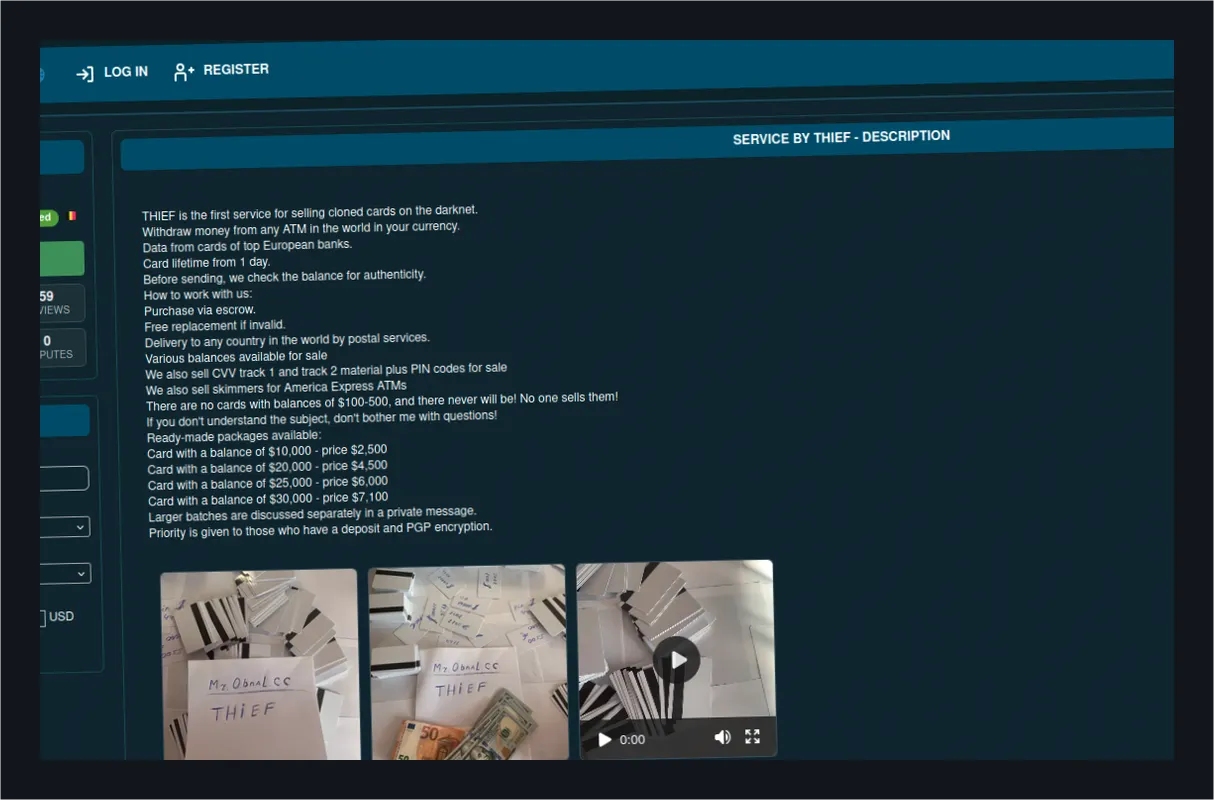
The End of the Line: Why the System Always Wins
Mark T.'s case highlights the stark truths about anonymity in our digital era. Even after using Monero, anti-skimming technology, and participating in online forums about card skimming, he was apprehended within just 15 days. This scenario demonstrates how contemporary ATMs serve dual roles: they dispense cash and act as critical evidence-gathering devices, effectively combining digital and physical investigative methods to combat fraud.
If you're planning to explore the dark web, keep in mind that while onion links might seem to offer some level of anonymity, they provide no shield against ATM surveillance. The synergy of ATM cameras, transaction scrutiny, and regulated cryptocurrency platforms forms a robust forensic framework. Users withdrawing cash face elevated risks, a fact frequently underestimated by those engaging in illegal transactions. The repercussions can be dire: facing a 60-month incarceration and a $22,000 penalty serves as a sobering cautionary tale.
Common questions
How can I check for credit card skimmers at an ATM?
Inspect the card reader for loose parts, mismatched colors, or anything that looks out of place. Use a credit card skimmer protector or tug the reader to see if it’s secure. Skimmers often sit on top of the original slot, so compare the reader to others at the same location.
Are ATM skimmer images useful for spotting fraud?
Yes, atm skimmer images can help you recognize common devices. Look for bulky card slots, hidden cameras, or keypad overlays. Banks and law enforcement often share these images to educate the public.
What is the best card skimming protection for personal use?
A combination of vigilance and tools works best. Use a credit card skimming device detector, cover your PIN when entering it, and monitor your bank statements regularly. For extra security, consider a credit card skimmer protector or a wallet that blocks RFID signals.
Can cloned cards be traced back to the buyer?
Absolutely. Even if you buy cloned cards on carding forums dark web or discuss them on card skimming reddit, law enforcement can trace the physical evidence—like ATM footage—back to you. Crypto transactions can also be linked to your identity through KYC exchanges.