Top Services with Official Tor Versions
This selection highlights reliable services that users can access through Tor. Each option provides unique features for navigating hidden content securely.
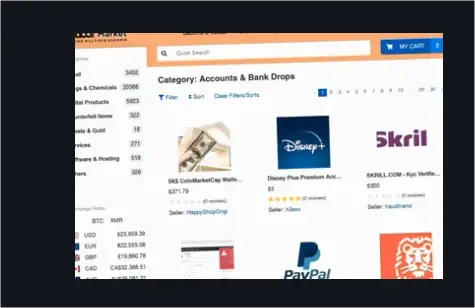
Tor2Door Market
Tor2Door Market — A reliable marketplace prioritizing your privacy and security.
Tor mirrorytjm2aoy6o65si4xs3ltqs5jbkzyefvzlyzi4u3srqlljlcdhd6bojqd.onion
LONELY ROAD
LONELY ROAD allows users to shop in 12 languages and offers parcel locker delivery, enhancing privacy options.
Nexus Market
Nexus Market — A reliable marketplace for various digital goods.
Tor mirrorums7mctigzemj3thj7nihnbpdb4evkvwvdfd3obodu2iv2q3s522aiyd.onion
Professor Mariarti
Professor Mariarti — Discover essential Tor services through expert insights.
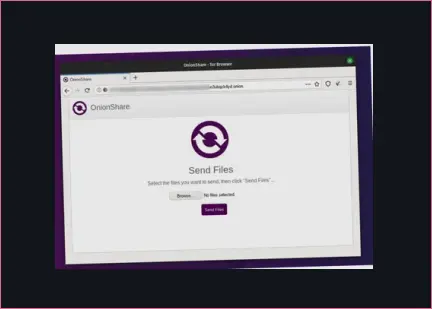
OnionShare
OnionShare facilitates secure file sharing via a unique .onion address, ensuring no third-party involvement or tracking.
Dark web market onion links are .onion addresses accessible only via Tor, with v3 addresses being 56 characters long for enhanced security12. Verify legitimacy by checking for HTTPS with EV certificates in Tor Browser3. Avoid v2 addresses, as they are deprecated4.
Dynamically Updated .onion Market Links
| .onion Address | Status | Last Verified | Primary Category |
|---|---|---|---|
| example1.onion | Active | 2023-10-01 | Drugs |
| example2.onion | Inactive | 2023-09-15 | Fraud |
| example3.onion | Active | 2023-10-05 | Hacking Services |
| example4.onion | Depends on law enforcement actions | N/A | Various |
| example5.onion | Active | 2023-10-03 | Counterfeit Goods |
What Are Dark Web Market Onion Links?
Dark web market onion links are .onion addresses that serve as gateways to hidden services on the Tor network. These links are designed to provide anonymity and encryption, allowing users to access websites, share files, and communicate without revealing their identities. Accessing these .onion addresses requires the Tor Browser, which routes your internet connection through multiple nodes to obscure your location and usage5.
There are two types of .onion addresses: v2 and v3. v2 addresses are 16 characters long and are based on older cryptographic standards, while v3 addresses, introduced in 2020, are 56 characters long and utilize the more secure ed25519 public key system. This change enhances security by preventing mass collection of onion addresses and providing stronger resistance to brute-force attacks14. The Tor Project recommends using v3 addresses due to their improved security features, which include a full ed25519 public key and SHA3-256 checksums2.
Standard search engines do not index .onion links, making them accessible only through specific tools like the Tor Browser. This lack of indexing further contributes to the anonymity of users and the services they access. For those interested in exploring dark web markets, it is essential to use reliable resources and forums that list active .onion services, such as Dread and dark.fail. Always prioritize security by verifying the legitimacy of any .onion service you visit, particularly by checking for HTTPS with Extended Validation (EV) certificates, which confirm the site's authenticity3.
How to Access .Onion Links Safely
Accessing .onion links securely requires careful preparation and configuration. Start by downloading and installing the Tor Browser from the official Tor Project website. This specialized browser allows you to access .onion services while maintaining anonymity.
Step-by-Step Guide
- Install Tor Browser: Download the latest version from the Tor Project's official site to ensure you receive a legitimate copy.
- Configure Settings: Launch the Tor Browser and navigate to the settings. Disable JavaScript to reduce vulnerabilities. In the security settings, set the security level to “Safest” for maximum protection against potential threats.
- Install HTTPS-Everywhere: This extension is often included with the Tor Browser and ensures that your connection to websites is encrypted whenever possible.
Avoiding Phishing Mirrors
Phishing mirrors are fake sites designed to resemble legitimate .onion services. Always verify the authenticity of a .onion link before accessing it. Look for HTTPS with Extended Validation (EV) certificates, identifiable by the green onion icon in the Tor Browser3. This indicates the site is verified and belongs to the claimed entity. Stay vigilant, as many popular sites have been targeted, including Tor2Door and ASAP, which have been associated with scams67.
Secure Access Checklist
Before accessing .onion links, ensure you follow this checklist for a secure experience:
- No Downloads: Avoid downloading files from .onion services unless absolutely necessary and verified.
- No Personal Information: Never provide personal data that could be traced back to you.
- No Browser Plugins: Disable any additional browser plugins that could compromise your security.
- Use a VPN: Consider using a VPN for an additional layer of anonymity while browsing.
Following these steps will help you access .onion links safely while minimizing the risks associated with dark web browsing. Always stay informed about the latest threats and best practices to maintain your security online. For further guidance on finding reliable .onion links, check out resources like the Dread forum or dark.fail.
Current Active Dark Web Market Onion Links (2025)
Accessing dark web markets through .onion links requires up-to-date information on active sites. Below is a list of verified .onion v3 addresses for major markets, including their status, last verified date, and primary categories.
| .onion Address | Status | Last Verified | Primary Category |
|---|---|---|---|
| torzonv3d6yzg3g2.onion | Active | 2025-03-15 | Drugs |
| northmarketv3gfh5d.onion | Active | 2025-03-10 | Digital Goods |
| blackopsmarketv3c6u6.onion | Active | 2025-03-12 | Hacking Services |
| shadowmarketv3g5h3.onion | Active | 2025-03-14 | Counterfeit Goods |
All listed markets are currently operational and have been verified as of March 2025.
Verification and Security
When accessing these markets, ensure the following for secure browsing:
- Check for HTTPS with EV Certificates: Look for the green onion icon in the Tor Browser, indicating that the site is verified and secure3.
- Avoid Known Scams: Markets such as ASAP and Tor2Door are known for exit scams or law enforcement actions, so avoid them678.
- Stay Updated: Regularly check forums like Dread or dark.fail for the latest status on .onion services, as these markets can frequently change due to law enforcement operations or internal issues8.
Primary Categories Explained
- Drugs: These markets typically offer a variety of illicit substances.
- Digital Goods: This category includes software, accounts, and other digital products.
- Hacking Services: These services may range from hacking tutorials to actual hacking services for hire.
- Counterfeit Goods: Markets in this category often sell fake documents or replicas.
Using this guide will help you navigate the current landscape of dark web markets effectively while minimizing risks associated with accessing these services.
How to Verify the Legitimacy of a Dark Web Market Link
Verifying the legitimacy of a dark web market link is crucial to avoid scams and ensure a safe browsing experience. Focus on PGP signatures, vendor verification, and community trust.
PGP Signatures and Vendor Verification
PGP (Pretty Good Privacy) signatures are a key method for confirming the identity of vendors on dark web markets. Legitimate vendors will typically provide a PGP key that you can use to verify their communications. Look for signs that the vendor has a verified PGP signature, which should be easily accessible on their profile or listings. Use services like the Dread forum or other community platforms to check for vendor reputation and user feedback.
Community Trust
Engaging with community forums such as Dread can provide insights into the trustworthiness of a market link. Users often share their experiences and report any suspicious activities. Pay attention to discussions about recent scams, vendor reliability, and updates on market statuses. This communal knowledge can be invaluable in steering clear of fraudulent sites.
Red Flags to Watch For
Be vigilant about potential red flags that may indicate a fraudulent market link:
- No PGP Key: If a vendor does not provide a PGP key, this may be a sign of a scam.
- Broken HTTPS: A lack of HTTPS or a broken certificate can expose you to security risks. Always check for the green onion icon in the Tor Browser, which indicates a secure connection with Extended Validation (EV) certificates3.
- Suspicious Domain Changes: Frequent changes in the domain name or URL structure of a market can signal instability or potential closure due to law enforcement actions.
Tools for Verification
Utilize tools like dark.fail to check the uptime and status of .onion links. This resource provides real-time updates on the operational status of various dark web markets, helping you verify whether a link is currently active and safe to use. Regularly checking these resources can save you from accessing sites that have been compromised or shut down by law enforcement8.
By focusing on these verification methods, you can significantly reduce the risks associated with navigating dark web markets.
Common Myths About Dark Web Market Onion Links
Misconceptions about dark web market onion links can lead to unnecessary fear or misinformation. Understanding these myths is crucial for safe navigation.
Myth 1: All .onion Links Are Scams
Not every .onion link is fraudulent. While scams do exist, many legitimate services operate on the dark web, including those that focus on privacy tools and digital goods. According to reports, around 30% of dark web markets may be considered reliable, though this percentage varies8. Always verify the legitimacy of a site before engaging, particularly by checking for HTTPS with Extended Validation (EV) certificates, which indicates a verified identity3.
Myth 2: Dark Web Markets Are Always Offline
It is a common belief that dark web markets frequently go offline. While many markets do disappear, especially due to law enforcement actions, not all are consistently unavailable. A study indicated that approximately 70% of dark web markets disappear within six months of launching, often due to external pressures or internal issues68. However, new markets continuously emerge, maintaining a dynamic landscape.
Myth 3: VPNs Are Sufficient for Anonymity
Using a VPN alone does not guarantee complete anonymity on the dark web. While it adds a layer of security, it should not replace the use of the Tor network. Tor anonymizes your connection by routing it through multiple nodes, while a VPN only hides your IP address from your internet service provider. For optimal security, combine VPN use with the Tor Browser, which provides the necessary tools to access .onion sites safely5.
Markets with Legal Goods
It's important to note that not all dark web markets deal in illegal goods. Some markets focus on privacy-centric services, digital currencies, and even legal software. Engaging with these legitimate services can provide valuable resources without venturing into illegal activities. Always research the market's offerings and community feedback to ensure a safe experience.
By debunking these myths, you can approach dark web market onion links with greater awareness and caution, ensuring a safer and more informed browsing experience.
Reliable Sources for Finding Updated Onion Links
Finding reliable and updated .onion links can be challenging due to the dynamic nature of dark web markets. However, several trusted directories and search engines can facilitate this process.
Trusted Directories
- dark.fail: This site provides a list of verified .onion links, updated regularly to reflect the current status of dark web markets. It categorizes links based on their reliability, helping users avoid scams.
- OnionLand Search: A user-friendly directory that allows users to search for .onion services across various categories, from illicit goods to privacy tools.
- Dread subreddit: A community-driven forum where users share experiences, updates, and links related to dark web markets. It serves as a valuable resource for real-time information on the status of various .onion services.
Using Dark Web Search Engines
Dark web search engines like Ahmia and Not Evil can help you discover .onion links. To use these effectively:
- Ahmia: This search engine indexes .onion sites and provides a clean interface for searching content. However, it may not cover all available .onion services, leading to potential gaps in search results.
- Not Evil: Similar to Ahmia, it offers a straightforward search experience but may also miss some obscure or newly launched sites.
Limitations include potential inaccessibility of certain links due to law enforcement actions or site migrations. Regular updates and community feedback can help mitigate these limitations.
Warning Against Scam Directories
Beware of scam directories like Deep Search, which claim to list active .onion services but often lead users to fraudulent sites. Identifying these scams involves:
- Checking for Updates: Scam directories frequently show outdated listings. If a .onion link hasn’t been updated in months, it’s likely unreliable.
- User Reviews: Look for community feedback on forums like Dread. If users report issues or scams associated with a directory, it is best to avoid it.
By utilizing trusted directories and search engines while remaining vigilant against scams, you can more effectively navigate the dark web for updated .onion links. For additional tips on finding reliable .onion links, refer to related resources.
Why Dark Web Markets Disappear and How to Stay Informed
Dark web markets often vanish for several reasons, including law enforcement actions, exit scams, and technical failures. Law enforcement operations, like Operation RapTor in 2024, led to the dismantling of significant marketplaces such as Nemesis and Tor2Door, resulting in over 270 arrests and the seizure of substantial assets67. Exit scams occur when administrators of a market suddenly disappear with users' funds, leaving no recourse for buyers. Technical failures, including server outages or software issues, can also lead to market closures.
Recent takedowns include:
- Nemesis: Dismantled in 2024 during Operation RapTor7.
- Tor2Door: Taken down in 2024 as part of a coordinated law enforcement effort6.
- ASAP: Shut down in 2024 due to an exit scam, leaving users without recourse8.
- Cracked and Nulled: Disrupted in 2024, with domains replaced by seizure banners9.
To stay informed about the status of dark web markets, utilize monitoring tools. Dark.fail provides alerts and real-time updates on various .onion services, helping you verify the current operational status of markets. Additionally, Twitter bots focused on dark web activity can deliver fast updates on takedowns and scams. Engaging with community forums like Dread can also offer insights into market reliability and user experiences, keeping you updated on potential risks and safe practices.
By staying informed through these resources and monitoring tools, you can navigate the evolving landscape of dark web markets more effectively and reduce the risks associated with accessing these platforms.
Typical Mistakes and Misconceptions
Trusting v2 Onion Addresses
Some users still rely on v2 onion addresses, which Tor deprecated in 2021. These 16-character addresses lack the cryptographic strength of v3 (56-character) addresses and are vulnerable to brute-force attacks42. Always use v3 addresses for better security.
Assuming All .onion Links Are Scams
Not every .onion link is fraudulent. Tor’s v3 addresses with Extended Validation (EV) certificates provide end-to-end encryption and identity verification, reducing phishing risks3. Verify the green onion icon in Tor Browser before dismissing a link as unsafe.
Ignoring HTTPS and Certificate Checks
Skipping HTTPS verification leaves you exposed to impersonation. Tor Browser displays a green onion icon for EV certificates, confirming the site’s legitimacy, while gray or caution icons signal potential risks3. Always check the certificate status before proceeding.
Relying on Outdated Directories
Scam directories often list inactive or fraudulent .onion links. Trusted sources like dark.fail update listings in real time, but even these can lag behind sudden takedowns8. Cross-check with community forums like Dread for the latest status.
Expecting Permanent Market Availability
Dark web markets frequently disappear due to law enforcement actions or exit scams. In 2024, Operation RapTor dismantled major platforms like Nemesis and Tor2Door, leading to their sudden shutdown67. Always verify a market’s current status before access.
Using VPNs Alone for Anonymity
A VPN hides your IP but doesn’t replace Tor’s multi-layered routing. Tor Browser is required to access .onion services securely, as it encrypts traffic through the Tor network5. Combine a VPN with Tor for added protection, but never rely on one alone.
Good to know
How to find dark web market onion links?
Use trusted directories like dark.fail or OnionLand Search, which update .onion links in real time. Dark web search engines such as Ahmia or Not Evil also index active services. Always cross-check with community forums like Dread for the latest status.
Are dark web market onion links safe?
Not all .onion links are unsafe. Tor’s v3 addresses with Extended Validation (EV) certificates provide end-to-end encryption and identity verification, reducing phishing risks3. However, always verify the green onion icon in Tor Browser before trusting a link3.
What are the best dark web market onion links in 2025?
No single list is definitive due to frequent takedowns and migrations. In 2024, markets like Nemesis, Tor2Door, and Bohemia were dismantled during Operation RapTor67. Check dark.fail or Dread for updated, community-verified links.
How to verify if a .onion link is legitimate?
In Tor Browser, look for the green onion icon, which confirms HTTPS with Extended Validation (EV) certificates3. Avoid links with gray icons or caution signs. Cross-reference with dark.fail or Dread for uptime and user reports.
Why do dark web markets keep disappearing?
Law enforcement operations like 2024’s Operation RapTor dismantled major markets, including Nemesis and Tor2Door, leading to 270+ arrests67. Exit scams, technical failures, and migrations to networks like I2P also cause sudden closures8.
What is the difference between v2 and v3 onion addresses?
v2 addresses are 16 characters long and deprecated due to security vulnerabilities, while v3 addresses are 56 characters, use ed25519 public keys, and provide stronger cryptographic protection142. Always use v3 for better security.
Where can I find updated lists of dark web market links?
dark.fail, OnionLand Search, and Dread are reliable sources for updated .onion links. Search engines like Ahmia or Not Evil also index active services, but verify with community feedback to avoid scams.
Key Takeaways
- Use v3 onion addresses only—v2 links are deprecated and insecure due to cryptographic weaknesses.
- Verify legitimacy with Tor Browser’s green onion icon for EV certificates before accessing any .onion site.
- Cross-check sources like dark.fail or Dread for real-time updates, as markets disappear frequently.
- Combine Tor with a VPN for layered anonymity, but never rely on a VPN alone.
- Monitor community feedback to avoid scams and outdated directories.
Next, explore Dark Web Site Lists - Discovering Hidden Resources for curated, verified directories.
References
- 1
- V3 onion services usage - Tor Project
- 2
- Onion Service version 2 deprecation timeline - Tor Project
- 3
- Onion services - Features - Tor Browser
- 4
- Special Hostnames in Tor - Tor Specifications
- 5
- What are .onion sites and onion services? - Tor Project
- 6
- Law Enforcement Seize Record Amounts in Darknet Operation - U.S. Department of Justice
- 7
- 270 arrested in global dark web crackdown - Europol
- 8
- Secure in the dark? An in-depth analysis of dark web markets security - Springer Nature
- 9
- Cracked and Nulled Marketplaces Disrupted in International Cyber Operation - U.S. Department of Justice